AUSTRALIAN VIEW – In a sweeping response to soaring petrol prices and a deepening cost-of-living crunch, the Prime Minister has announced a dramatic three-month halving of the fuel excise, while state governments in Victoria and Tasmania throw their weight behind expanded free public transport schemes to ease the burden on households.
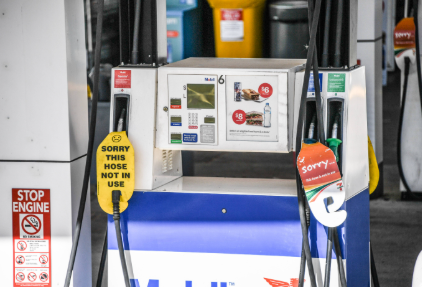
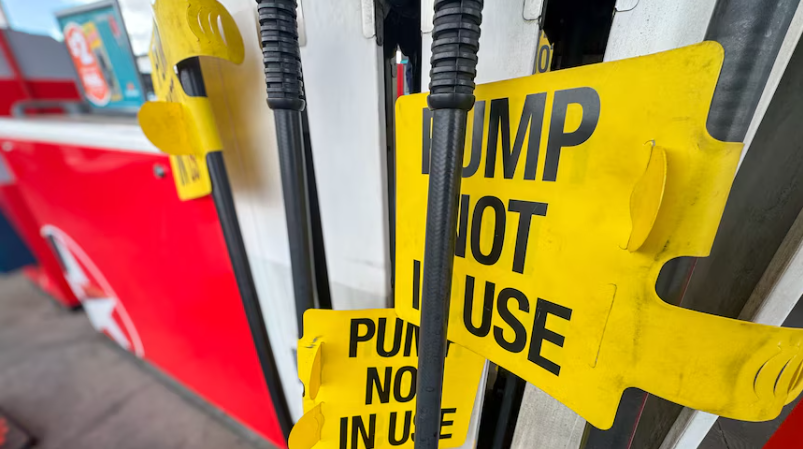
With petrol prices surging past record highs across the nation, the federal intervention marks one of the most significant direct relief measures aimed at curbing transport inflation. The fuel excise—a tax levied on every litre of petrol and diesel—will be cut by 50 percent for the next three months, a move the government says will flow directly to motorists at the bowser.
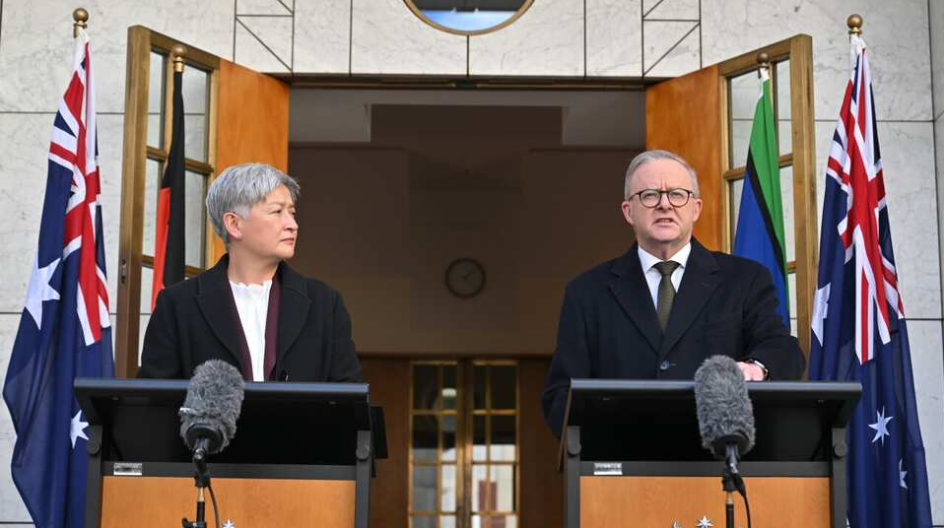
Speaking at a press conference this morning, the Prime Minister acknowledged the pressure Australian families are facing. “We understand that every dollar counts right now. By halving the fuel excise, we are delivering immediate relief to commuters, small businesses, and tradies who rely on their vehicles to put food on the table,” he said.
Treasury estimates the cut will reduce the average price of petrol by approximately 25 to 30 cents per litre, potentially saving a two-car household hundreds of dollars over the three-month period. The government has urged the Australian Competition and Consumer Commission (ACCC) to closely monitor retailers to ensure the savings are passed on.
States Step Up with Public Transport Push
As the federal government moves on fuel taxes, state governments are accelerating alternative transport relief. In Victoria, momentum is building behind a proposal to make public transport entirely free, with bipartisan support growing in the state upper house. Advocates argue that free public transport would not only provide immediate cost relief but also reduce congestion and encourage greater use of existing infrastructure.
A Victorian government spokesperson confirmed that discussions are underway, stating, “We are looking at every lever available to support families. Free public transport is absolutely on the table as part of a broader cost-of-living response.”
Meanwhile, Tasmania has already taken concrete steps, backing a pilot program for fare-free public transport in key regional centres. The Tasmanian initiative, which has garnered strong local support, aims to ease transport costs for low-income households while boosting patronage on underutilised routes.
Transport analysts note that the combination of a temporary fuel excise cut and state-led free public transport initiatives represents a rare moment of aligned action across levels of government. However, critics caution that the fuel excise reduction is a short-term measure that does little to address long-term structural issues in fuel security or transport affordability.
Cost-of-Living Pressures Remain
Despite the relief measures, economists warn that broader inflationary pressures—particularly in housing, food, and energy—continue to strain household budgets. The fuel excise cut, while impactful at the pump, is temporary, and questions remain about what happens once the three-month period ends.
For now, Australian motorists and commuters can expect some reprieve. With the excise cut expected to take effect within days and free public transport gaining serious political traction in the southern states, the focus is firmly on delivering tangible cost-of-living relief to Australians navigating an increasingly expensive landscape.