The federal government finally handed down the new budget. And for many, the verdict is clear: “This is the first real tax reform we’ve seen in over a decade.” But the big question remains – will these changes actually help more Australians afford a home?
A long-overdue reckoning
This budget didn’t come out of nowhere. Over the past year, with reports from the Productivity Commission and various economic roundtables, the writing was on the wall – with a majority in parliament, would Labor finally touch the third rail of Australian politics? Negative gearing. Capital gains tax concessions. The sacred cows.
To their credit, they didn’t flinch.
The budget takes direct aim at one core problem: our tax system overwhelmingly favours capital gains and negative gearing, while wages – your daily grind – carry the heaviest burden.
Let’s put some numbers on it. Over the past 20 years, the top 1% of earners (those on roughly 800kayear)pocketedanaverageof∗∗700,000 each** in tax concessions, according to the ATO. Meanwhile, the average punter (earning around 62k)receivedjust∗∗12,400**. That gap? It’s structural. The wealthy use trusts, property depreciation, and capital gains discounts to slash their tax bills. Wage earners just… pay.
Who wins? Who loses?
The budget’s reforms are surprisingly surgical:
1. Ending the unfair tax advantage: A new minimum 30% tax rate applies to certain capital gains, and from 2027, a range of trust loopholes will be shut down.
2. Negative gearing left standing – but weakened: Existing negatively geared properties are grandfathered. But the changes to CGT discounts will take the steam out of future investment – expect more investors to offload loss-making properties.
3. Impact on house prices? Treasury modelling suggests a ~2% drop in prices over the medium term. Don’t hold your breath for a crash – as investors pull back, owner-occupiers will step in.
4. A genuine break for first-home buyers: For younger Australians, this is the real win. Fewer SMSFs and trust-fund bidders at auctions. Less competition from investors chasing tax breaks. The playing field isn’t level yet, but it’s tilting.
Curbing investors isn’t enough – we still need supply
All the tax fiddling in the world won’t build a single extra home. Treasury concedes these changes may reduce new housing supply by 35,000 homes over the next decade – a worry.
But the government has also thrown $2 billion into a new Local Infrastructure Fund, designed to smash through state planning bottlenecks and unlock well-located land. Grattan Institute modelling suggests that smart planning reform could deliver 60,000 extra homes a year.
Fiscally sober, politically realistic
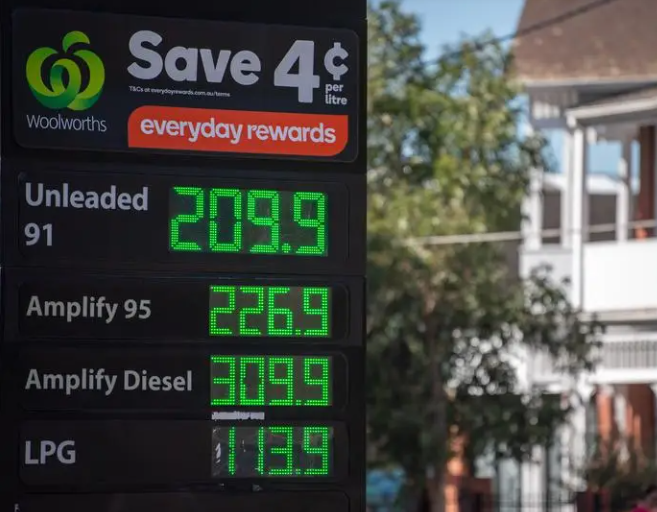
You might have noticed the spending side of the budget is surprisingly restrained. With Middle East tensions pushing up fuel prices and inflation expected to bounce near 5%, Treasurer Chalmers pulled back – cutting EV subsidies, private health rebates, and other programs.
He insists this won’t tip the economy into recession. But the tone is unmistakable: lean years ahead.
Final word: a good start, but just a start
This is a budget with values. It acknowledges that Australia’s tax system is warped. And it takes a meaningful – if cautious – step toward fairness.
No, it won’t crash house prices overnight. But it does something just as important: it ends the fiction that massive tax breaks for wealthy property investors are good economic policy.
For ordinary Australians saving for a deposit, this budget says – for the first time in a long time – the game is no longer rigged exclusively in favour of those already holding the most property.
So what do you reckon? A solid start, or still not enough? Let us know in the comments.