
-
Metformin, prescribed for type 2 diabetes since the 1960s, appears to work directly in the brain
-
Researchers identified a pathway in the hypothalamus that helps the drug lower blood glucose
-
The discovery could lead to more targeted diabetes treatments
-
Metformin is also linked to slower brain aging and longer lifespan
Scientists have uncovered a new mechanism behind one of the world’s most widely used diabetes medications, revealing that metformin lowers blood sugar by acting directly on the brain.
The finding, published in Science Advances, comes more than 60 years after the drug was first prescribed to manage type 2 diabetes.
How It Works
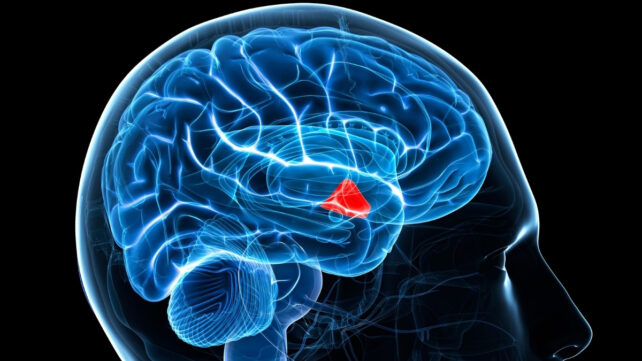
Researchers from Baylor College of Medicine in the US identified a pathway in the ventromedial hypothalamus (VMH), a region of the brain that regulates whole-body glucose metabolism. The drug appears to deactivate a protein called Rap1 in that region, which in turn helps control blood sugar.
When the researchers bred mice without Rap1, metformin had no effect on a diabetes-like condition—even though other diabetes drugs still worked.
“It’s been widely accepted that metformin lowers blood glucose primarily by reducing glucose output in the liver,” said Makoto Fukuda, a pathophysiologist at Baylor. “We investigated whether and how the brain contributes to the anti-diabetic effects of metformin.”
The team also identified specific neurons—SF1 neurons in the VMH—that are activated when metformin is introduced into the brain, suggesting they are directly involved in the drug’s action.
Implications for Treatment
Metformin is long-lasting, relatively affordable, and generally safe, though gastrointestinal side effects affect up to 75% of users. It works by reducing liver glucose production and improving insulin efficiency.
The new findings suggest the brain, liver and gut all play roles in the drug’s effectiveness. Because the brain appears to respond to much lower concentrations than other organs, the discovery could open the door to more targeted treatments with fewer side effects.
“These findings open the door to developing new diabetes treatments that directly target this pathway in the brain,” Fukuda said.
Beyond Diabetes
Metformin has also been linked to broader health benefits. Previous studies have shown it may slow brain aging, reduce DNA damage, promote longevity-related gene activity, and even lower the risk of long COVID.
A 2025 study of postmenopausal women found those taking metformin had a 30% lower risk of dying before age 90 compared to those on a different diabetes drug.
The research team now plans to investigate whether the same brain pathway is responsible for these additional effects.
“This discovery changes how we think about metformin,” Fukuda said. “It’s not just working in the liver or the gut, it’s also acting in the brain.”