-
Researchers found cocaine, caffeine, and painkillers in shark blood samples
-
28 out of 85 sharks tested positive for at least one substance
-
Untreated wastewater from tourism and cruise ships is the likely source
-
The study raises concerns about pharmaceutical pollution in “pristine” marine environments
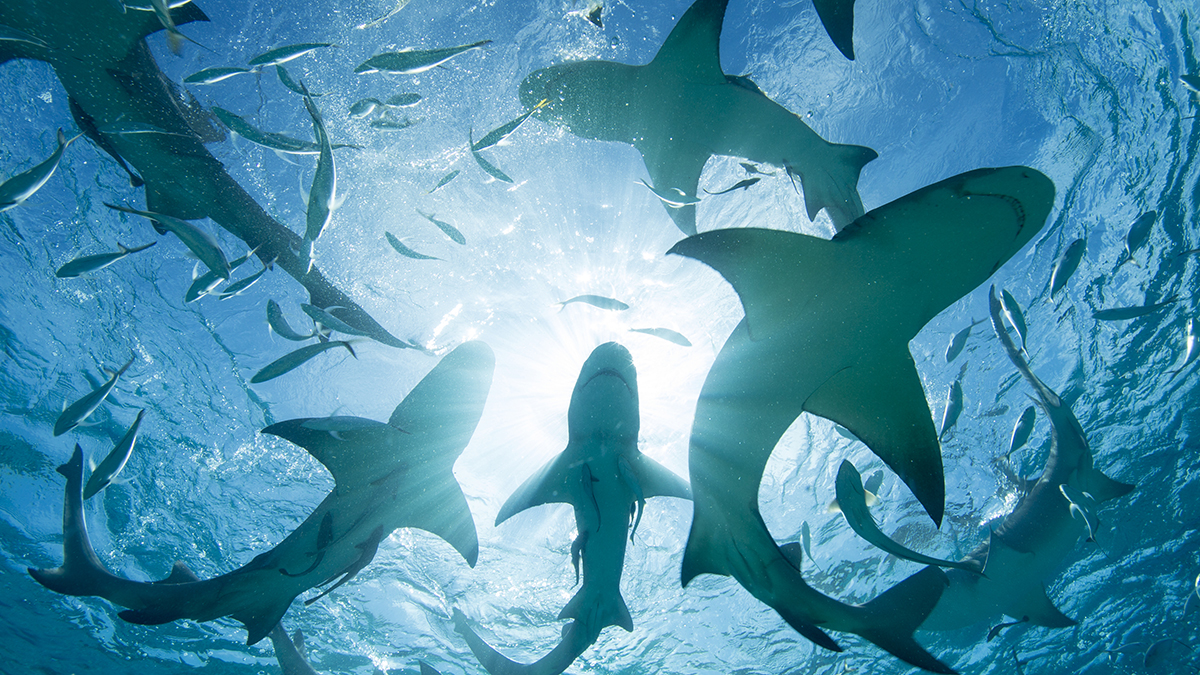
Sharks in the Bahamas have tested positive for cocaine, caffeine, and painkillers, according to a new study that highlights the growing reach of pharmaceutical pollution into even remote ocean ecosystems.
Researchers from the Bahamas, Brazil, and Chile analyzed blood samples from 85 sharks captured around Eleuthera, one of the most remote islands in the archipelago. Caffeine was the most commonly detected substance, while two sharks tested positive for cocaine. Traces of the painkillers acetaminophen and diclofenac were also found.
How Drugs Enter the Ocean
The sharks were captured near popular diving spots and tourist cruise routes. Scientists suspect untreated wastewater from boats, combined with broader urban and tourism development, is contaminating the water. In some cases, sharks may have bitten into packets of cocaine that fell into the sea.
“They bite things to investigate and end up exposed,” said biologist Natascha Wosnick from the Federal University of Paraná in Brazil.
First-Time Findings
This is the first time caffeine has been detected in sharks anywhere, and the first time cocaine has been found in sharks in the Bahamas. Previous studies have identified cocaine in sharks off the coast of Brazil, and cruise ships in the Arctic have been found to release antibiotics and pharmaceuticals into surrounding waters.
Unknown Health Impacts
The long-term health effects of these substances on marine life remain unclear. However, researchers noted metabolic markers in the affected sharks suggesting higher stress levels and increased energy use as their bodies worked to detoxify.
The researchers described pharmaceuticals and illicit drugs as “contaminants of emerging concern” that pose risks to marine biodiversity and potentially to human health through seafood consumption.
Call for Action
The study, published in Environmental Pollution, calls for better wastewater management from tourism activities and broader monitoring of pharmaceutical pollution in ecosystems often assumed to be pristine.
“This represents the first report concerning CECs [contaminants of emerging concern] and potentially associated physiological responses in sharks from the Bahamas, pointing to the urgent need to address marine pollution in ecosystems often perceived as pristine,” the researchers wrote.